
News
'This I Believe' Essay | Ari T. | We’re Here for a Good Time, Not a Long Time
December 21, 2025
The 'This I Believe' essay project invites Northwood Technical College students to reflect on the personal values, lessons, and experiences that shape who they are, putting students first by encouraging authentic self-expression and critical reflection.
Inspired by the 1950s radio program hosted by journalist Edward R. Murrow, 'This I Believe' began as a national platform for people from all walks of life, including presidents, poets, teachers, and truck drivers, to share the beliefs that guided their lives. Decades later, NPR revived the series from 2005 to 2009, reigniting a movement of storytelling that continues to build understanding and respect.
In English Composition 1 courses, students carry forward that tradition by writing their own 'This I Believe' essays. Through this process, they strengthen their voices as writers and thinkers while contributing to Northwood Tech’s mission of transforming communities through education and shared understanding.
By reflecting on what they believe, students engage in meaningful collaboration, learning from themselves, their peers, and their community. This project reflects the college’s values of innovation, community, and student success as each essay helps illuminate the principles and experiences that unite and inspire us all.
Select student essays are featured on the college website with permission from the writer.
We’re Here for a Good Time, Not a Long Time
By Ari T.
I’ve always loved having fun. Recess was my favorite subject in school, and I filled my weekends with adventures, trips to the swimming pool, and sleepovers at my friends’ houses. Summer vacation was the epitome of sun-soaked opportunity. Homework and studying, anything that wasn’t “fun,” was a struggle for me, and my GPA reflected that.
During my “growing up” hiatus from academia, I got a job at an assisted living community that was transformational for me. As part of the onboarding for the company, I underwent validation therapy training. According to Google, “Validation therapy is a communication technique used to help people with dementia feel heard and respected. It's a type of cognitive therapy that focuses on empathy and understanding to help people with dementia maintain their dignity.”
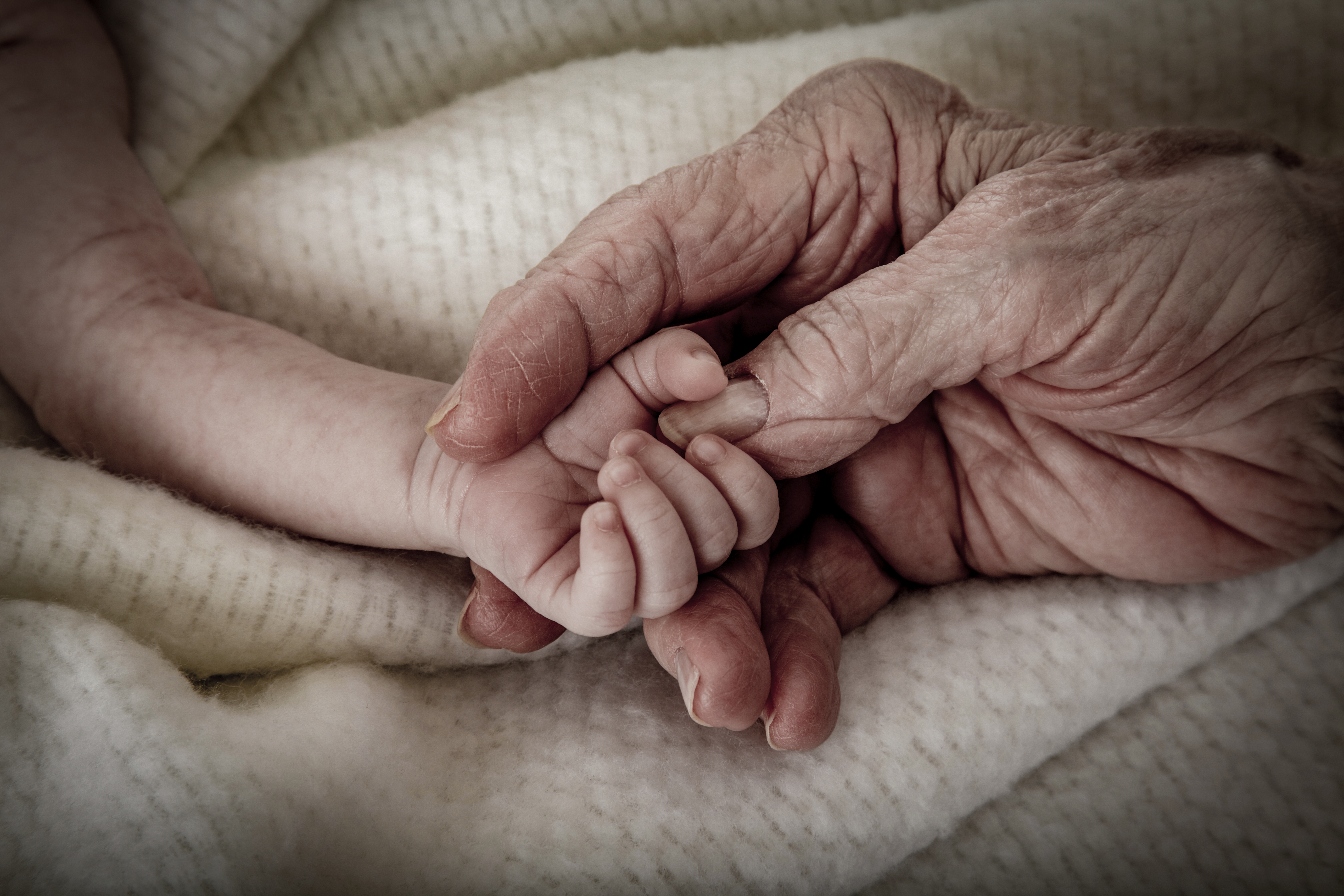
In a real-world application, it’s entering their world no matter how delusional, validating their reality, and, if necessary, leading them back to lucidity, minimizing distress if applicable. If someone is looking for their mom, we don’t tell them, “Oh, she died x years ago!” because to them, she really is somewhere around here. Instead, we’re right there with them in the thick of it, “helping” to look for her and asking reminiscing questions about her, with the intention of guiding them back to lucidity. “Ok, tell me what she looks like.” “She sounds beautiful! I bet she’s so nice. What do you guys like to do together?” “That sounds so fun! Have you guys always lived in this area?” By asking these kinds of reminiscing, leading questions, the goal is to have the resident remember in their own time, in the least distressing way possible, that “oh yeah that’s right, I’m 89 and she passed a long time ago.”
It's not always dark though. We have a lot of fun most of the time. I like to describe what I do as being a “professional best friend.” Much like Barbie, through my career I’ve played countless roles. I’ve been an employee, a daughter, a friend, a teacher, a confidant, a patient, a coworker, a cruise director, Zumba instructor… you name it, I’ve probably been it to someone. These roles and relationships are like all good things, however. They too must come to an end. Death is the most natural part of life. My job is to walk with my residents and enrich the time I’m privileged enough to share with them.
In the hundreds of lives I’ve had the honor of getting to guide through, one very poignant thing has stood out to me the most. For better or worse, emotions and emotional memory are the most difficult for neurodegeneration to extinguish. Every person is different, but the emotional undercurrent of one’s life sets the tone for those final days.
I’ve applied this wisdom to my own life as I’ve become an adult building my own life. When I’m nearing the end, what do I want that tone to be? I want to be the one singing and dancing down the hallways, loving on everyone, painting pictures, playing games, being pleasantly confused, and enjoying just being there.
The same as I try to give my residents the best time I can, I believe we are here for a good time, not a long time.